
Psychology : Colour psychology – Emotions colour wheel – InfographicNow.com | Your Number One Source For daily infographics & visual creativity
Colors are far more than just visual elements — they are a powerful universal language that silently shapes our moods, decisions, and perceptions. The psychology of color studies how different hues affect human emotions, thoughts, and actions. Marketers, designers, and psychologists use this knowledge to influence everything from branding to interior spaces.
The Science Behind Color Psychology
Our brains respond to colors through both biological and cultural pathways. Warm colors (red, orange, yellow) tend to energize and stimulate, while cool colors (blue, green, purple) promote calmness and focus.
Key Factors That Influence Color Perception:
- Personal experiences and memories
- Cultural background
- Context (e.g., a red dress vs. a red warning sign)
- Brightness and saturation of the color
Popular Color Meanings at a Glance
Here’s a clear breakdown of how major colors typically affect us:
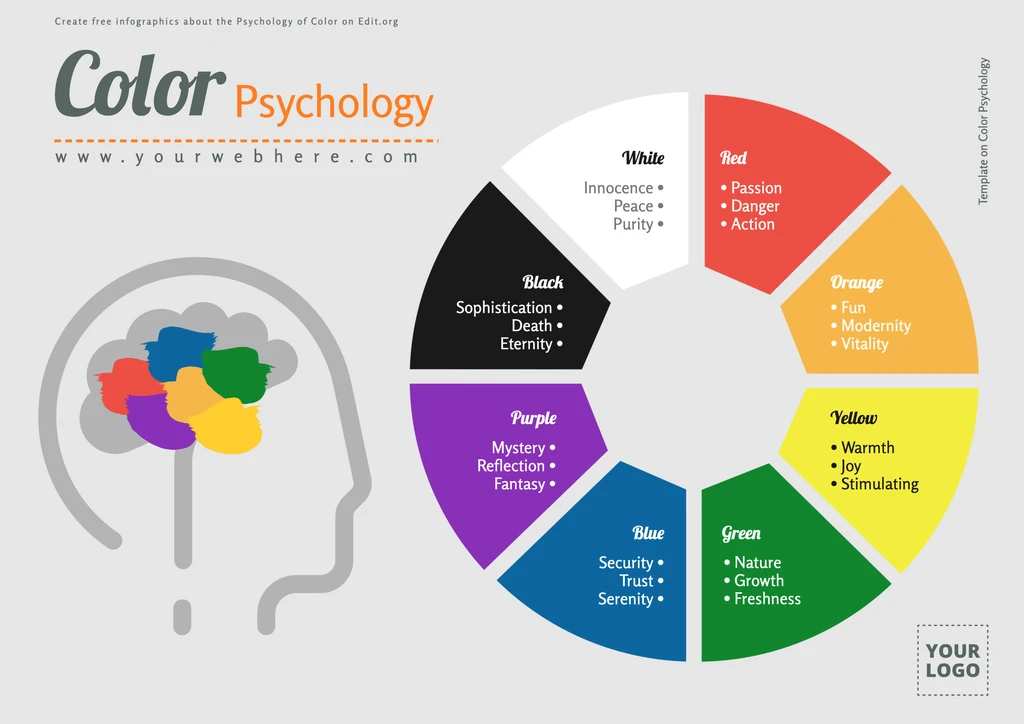
Color Meanings in Marketing & Branding
| Color | Positive Associations | Negative Associations | Common Uses |
|---|---|---|---|
| Red | Energy, passion, excitement, power | Anger, danger, aggression | Food packaging, warnings, love |
| Blue | Calmness, trust, productivity, peace | Sadness, coldness | Banks, healthcare, corporate brands |
| Yellow | Happiness, optimism, energy, warmth | Anxiety, caution | Children’s products, attention signs |
| Green | Nature, growth, safety, freshness | Envy, inexperience | Eco-brands, health, relaxation |
| Orange | Enthusiasm, creativity, fun, warmth | Overstimulation | Food, sports, call-to-action buttons |
| Purple | Royalty, luxury, wisdom, creativity | Mystery, moodiness | Beauty, spirituality, premium brands |
Red: The Color of Intensity
Choose red for energy and urgency Use blue to build trust and calm Add yellow for friendliness and optimism. Linked to growth, safety and freshness Reduces stress and creates harmony Popular in health and eco-friendly brands.
Psychology of the Color Red
Red grabs attention instantly. It increases heart rate and can create feelings of urgency or passion. That’s why it’s widely used in fast-food logos and clearance sales. However, too much red can feel aggressive.
Blue: The Color of Trust and Calm
%20(1).png?width=650&name=Color%20Psych-02%20(1)%20(1).png)
Color Psychology: How To Use it in Marketing and Branding
Blue is the world’s favorite color in many surveys. It evokes reliability and serenity, which is why banks and tech companies love it. Light blue feels refreshing, while dark blue conveys professionalism.
Yellow: Sunshine and Energy
The Psychology of the Color Yellow
Yellow is bright and uplifting, stimulating optimism and quick thinking. It’s excellent for grabbing attention but can cause eye strain if overused. Many brands use it to appear friendly and approachable.
Green: Nature, Balance, and Growth
What Does the Color Green Mean?
Green strongly connects with nature, health, and renewal. It reduces stress and promotes feelings of safety and harmony. Environmental brands and hospitals frequently use green tones.
Practical Applications in Daily Life
- Marketing & Branding: Choose colors that match your brand personality (e.g., blue for trust, red for excitement).
- Interior Design: Use calming blues in bedrooms and energizing yellows in kitchens.
- Workplaces: Green and blue improve focus; avoid excessive red in high-stress areas.
- Personal Life: Wear colors that match the mood you want to project.
Quick Tip: Cultural differences matter! White symbolizes purity in Western cultures but mourning in some Eastern traditions.
Final Thoughts
Color psychology reveals that the hues around us constantly influence how we feel and behave — often without us realizing it. Understanding these effects helps us make better choices in design, communication, and even personal well-being.
By thoughtfully using colors, we can create environments that energize, calm, inspire, or persuade exactly as intended.