Introduction
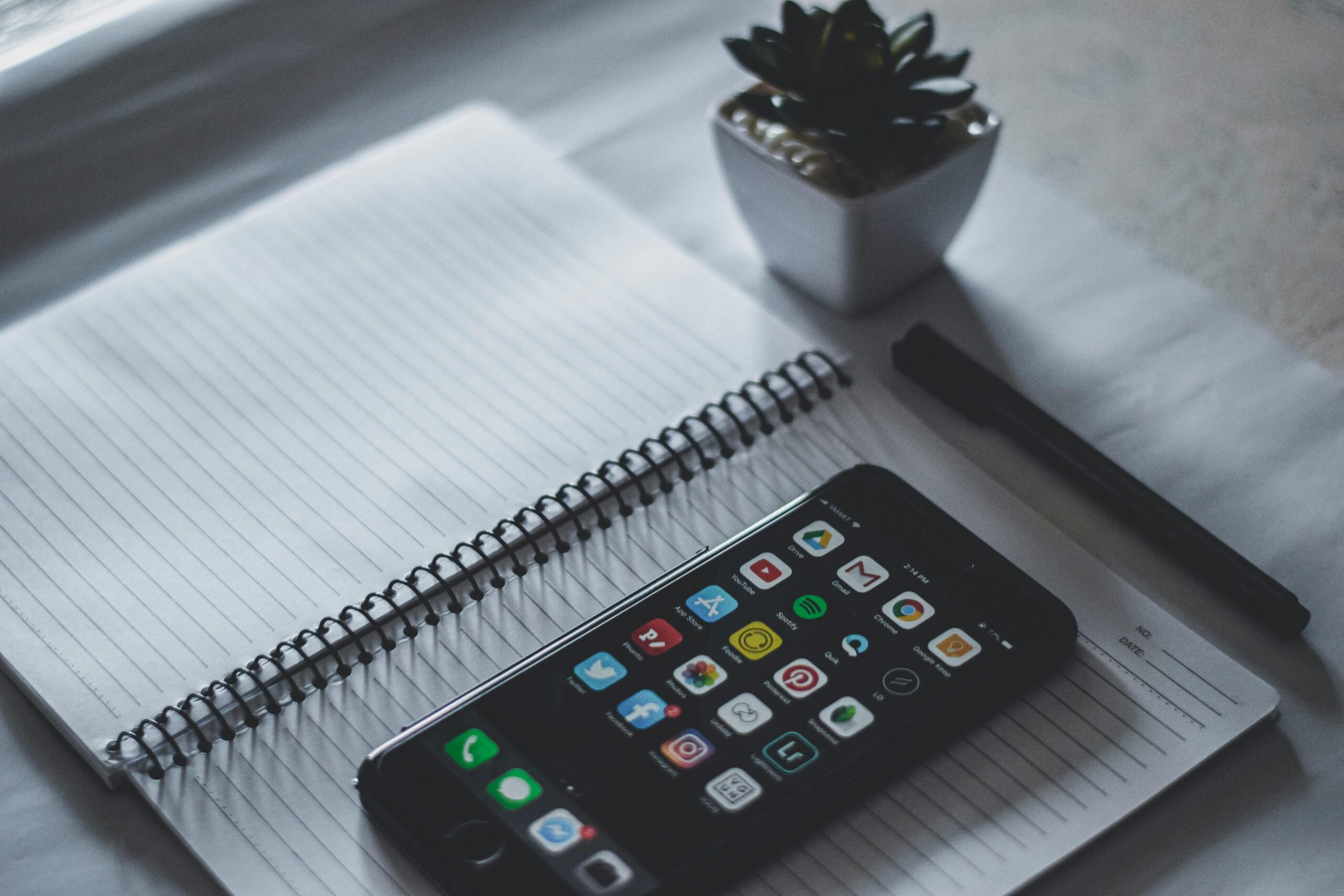
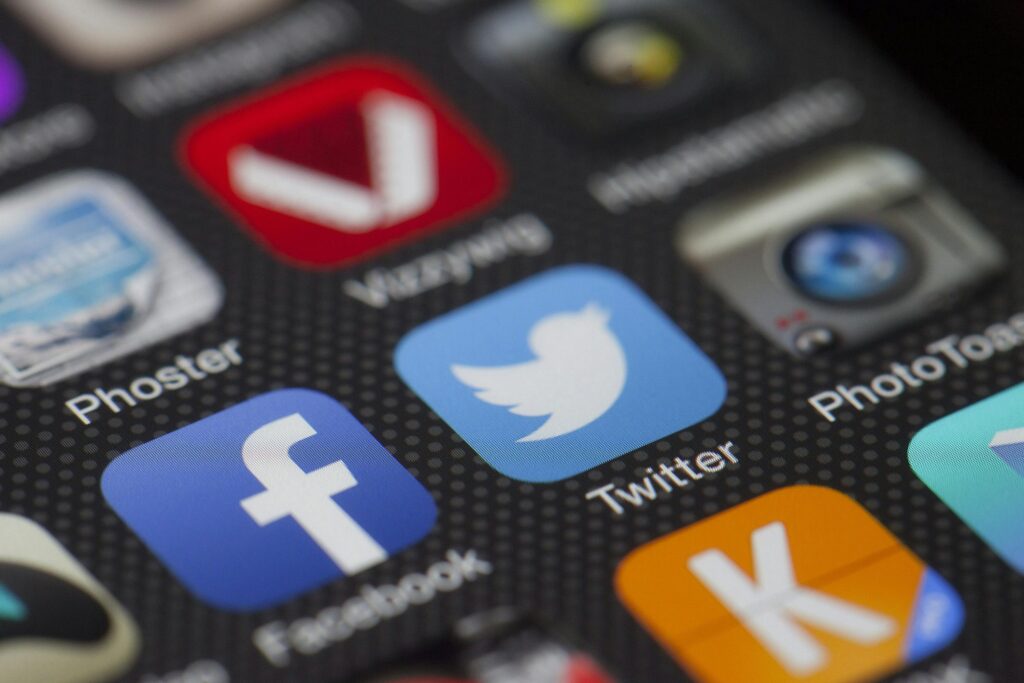
Social media has become one of the most influential forces of the modern world. From students and professionals to businesses and educators, almost everyone is connected through platforms such as Facebook, Instagram, YouTube, TikTok, and LinkedIn. What started as a tool for communication has evolved into a powerful space for learning, self-expression, branding, and social change. However, along with its benefits come serious challenges that require awareness and responsibility. Understanding social media deeply is essential for using it wisely and productively.
The Evolution of Social Media
Social media has changed rapidly over the past two decades. Early platforms focused mainly on basic communication and networking. Today, social media integrates video, live streaming, artificial intelligence, and global connectivity. Algorithms now decide what content we see, creators influence opinions, and trends spread across the world within minutes. This evolution has made social media more powerful than ever before, shaping culture, behavior, and even decision-making processes. The evolution of social media reflects how human communication has transformed alongside technological progress. What began as simple online interaction has developed into a powerful global system that influences culture, education, business, and personal identity.

The Positive Impact of Social Media
One of the greatest strengths of social media is its ability to connect people across geographical boundaries. Students can access educational content, teachers can share knowledge, and individuals can learn new skills from anywhere in the world. Social media has also given a voice to those who were previously unheard. Social awareness campaigns, charitable movements, and educational initiatives gain momentum through digital platforms. When used correctly, social media becomes a tool for empowerment, learning, and growth.

Digital Responsibility and Online Ethics
With great power comes great responsibility. Social media users must understand the importance of ethical behavior. Sharing misinformation, spreading negativity, or engaging in harmful discussions can have serious consequences. Responsible usage includes verifying information, respecting others’ opinions, and maintaining polite communication. Digital citizenship is no longer optional; it is a necessary life skill in the modern world. As social media and digital platforms continue to influence opinions, behavior, and relationships, users must understand that every online action carries consequences. Digital responsibility refers to the conscious, respectful, and ethical use of technology, while online ethics guide how we interact with others in virtual spaces.

Managing Time and Setting Boundaries
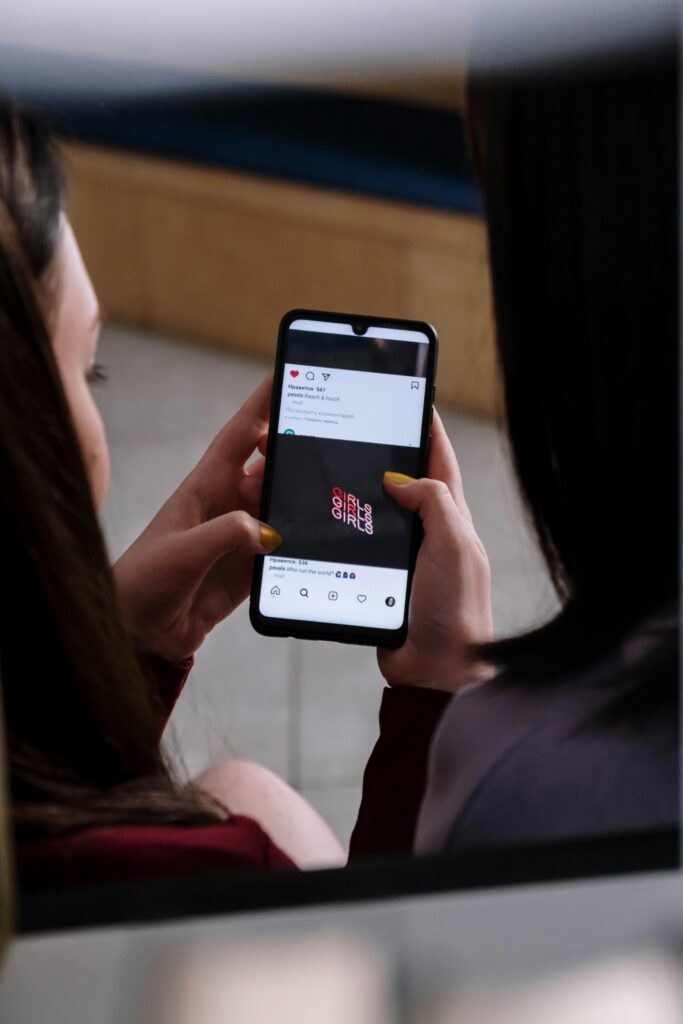
One of the biggest challenges of social media is time management. Endless scrolling can reduce productivity and focus. Setting boundaries, such as fixed usage times and purpose-driven engagement, helps maintain balance. Social media should serve our goals, not control our routines. Conscious usage allows individuals to benefit from social media without becoming dependent on it. Setting boundaries means deciding when and how technology should be used rather than allowing it to control daily routines. Purpose-driven usage helps individuals stay focused. For example, using social media for learning, communication, or content creation within specific time slots prevents unnecessary distractions. When technology is used intentionally, it becomes a tool for growth rather than a source of stress.
The Future of Social Media
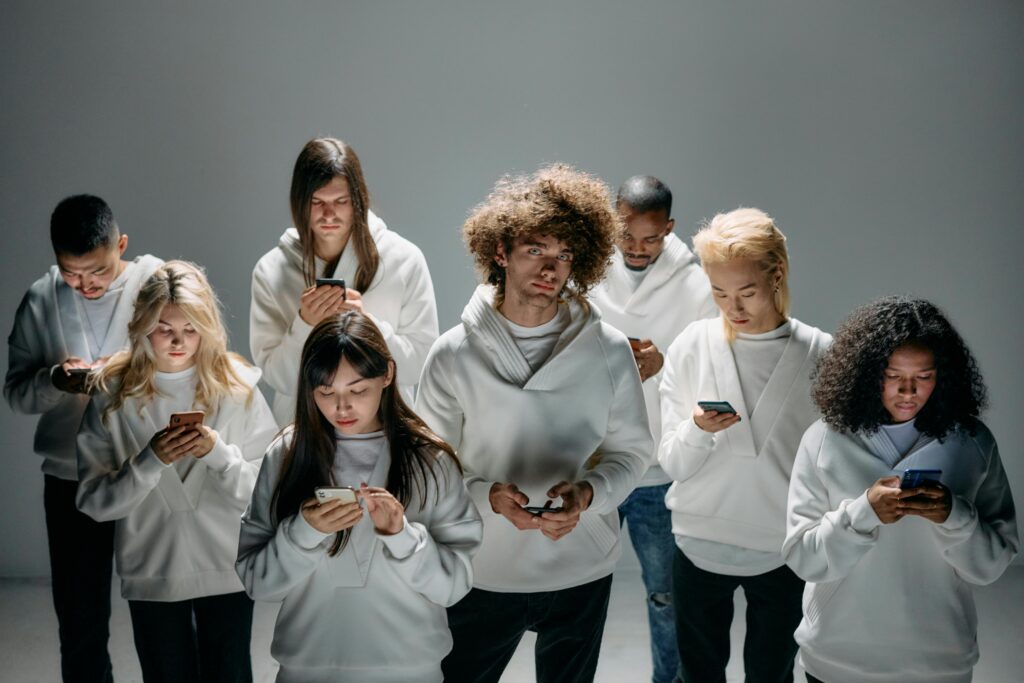
The future of social media will likely include more advanced technologies such as virtual reality, artificial intelligence, and personalized experiences. While these innovations may enhance interaction, they will also demand greater responsibility. Users must adapt by developing digital literacy, critical thinking, and emotional intelligence. The future belongs to those who use technology with wisdom and purpose.

Conclusion
Social media is neither entirely good nor entirely bad; its impact depends on how it is used. When approached with awareness, discipline, and responsibility, it can be a powerful tool for learning, connection, and growth. For students, educators, and content creators, social media offers opportunities to share ideas and make a positive difference. The key lies in balance using social media to enhance life, not replace it. By choosing mindful engagement, we can turn social media into a force for insight, progress, and positive change.