
Introduction:
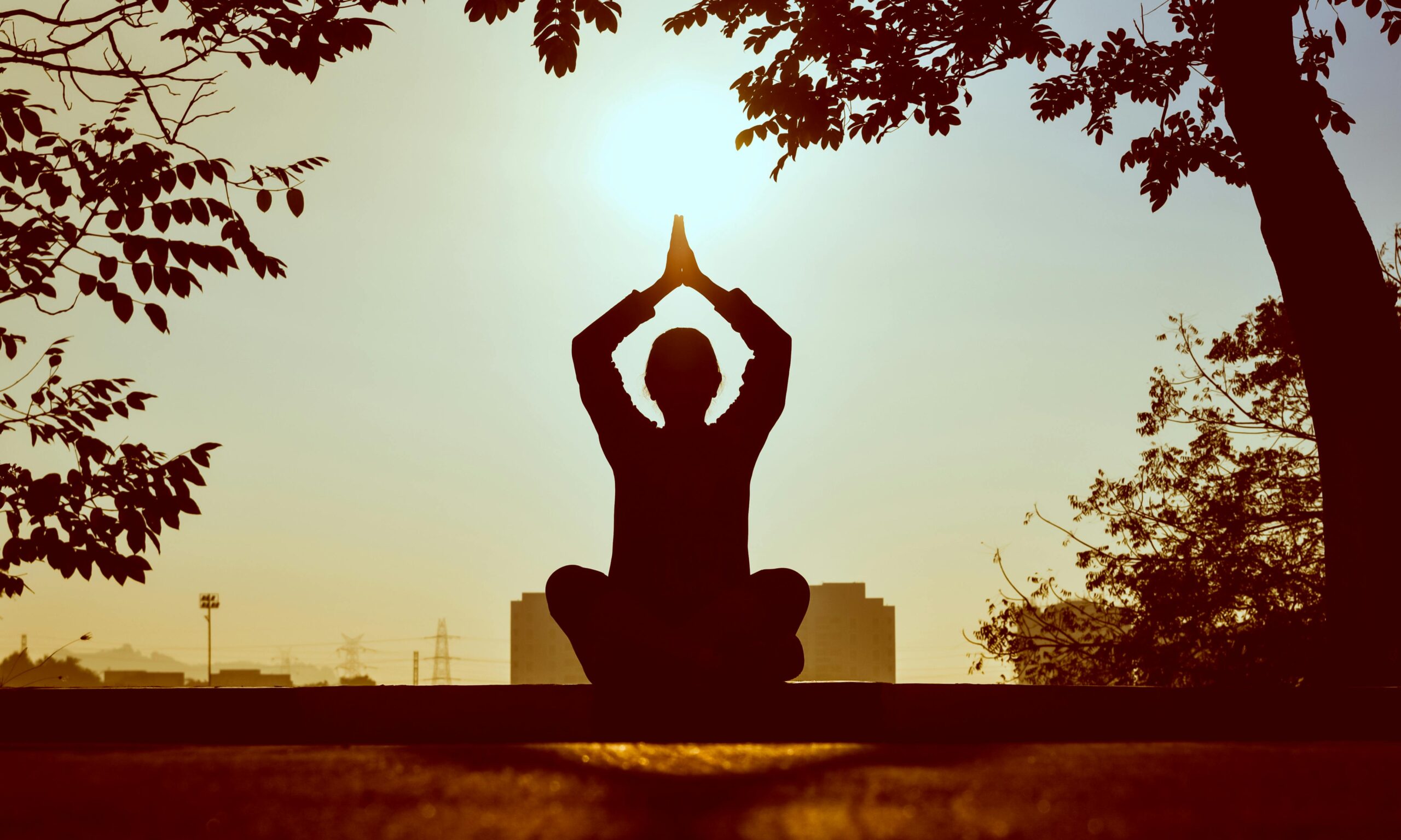
Yoga is an ancient practice that connects the body, mind, and breath. Originating thousands of years ago, yoga is not only a form of physical exercise but also a way of living that promotes balance, awareness, and inner peace. In today’s fast-paced world, yoga offers a calm and effective method to maintain both physical health and mental clarity.


What Is Yoga?:
Yoga is a holistic discipline that combines physical postures (asanas), breathing techniques (pranayama), and mindfulness. The word “yoga” means union, representing harmony between the body and the mind. Unlike intense workouts, yoga focuses on controlled movements, flexibility, balance, and concentration.

Physical Benefits of Yoga:
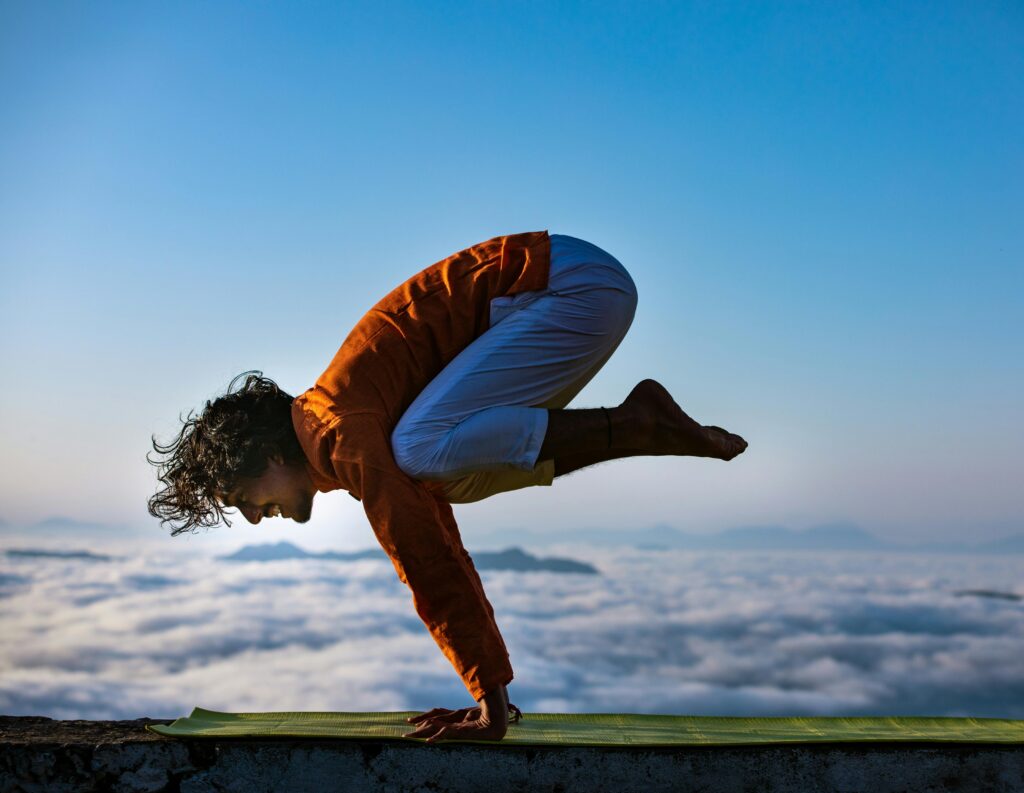
Regular yoga practice improves overall physical health. It increases flexibility, strengthens muscles, and enhances posture. Yoga also supports joint health and improves balance and coordination. Many yoga poses gently stimulate internal organs, which helps improve digestion and circulation.In addition, yoga supports the immune system and promotes better sleep. Unlike strenuous exercise, yoga refreshes the body without causing exhaustion.

Mental and Emotional Benefits:
One of the most powerful benefits of yoga is its positive impact on mental health. Through breathing and relaxation, yoga helps reduce stress and anxiety. It calms the nervous system and encourages mental clarity. Practicing yoga regularly improves focus, emotional control, and self-awareness. It helps individuals respond to challenges calmly rather than reacting impulsively. This emotional balance is especially helpful for students and professionals managing daily pressures.
Yoga and Mindfulness:
Yoga encourages living in the present moment. During practice, attention is focused on breathing and movement, which develops mindfulness. This awareness helps individuals understand their thoughts and emotions without judgment. Mindfulness gained through yoga improves decision-making, patience, and inner confidence. Over time, it builds a deeper connection with oneself.

Yoga as a Lifestyle
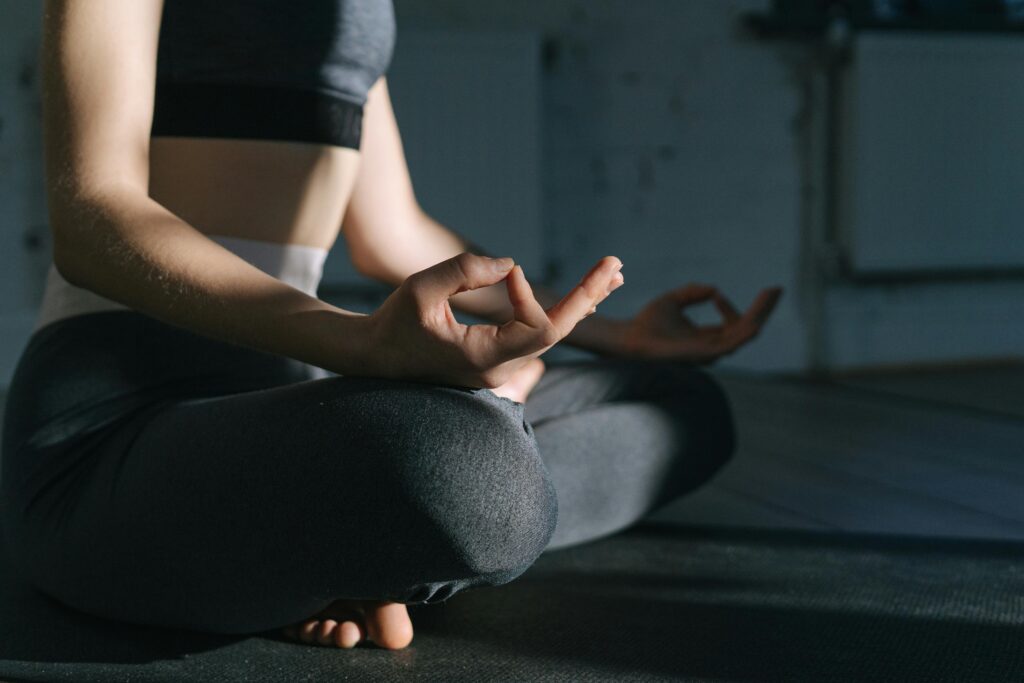
Yoga is not limited to a mat. It is a way of life. It teaches values such as discipline, patience, self-care, and respect. By practicing yoga, individuals learn to listen to their bodies and maintain balance in daily routines. A yoga-based lifestyle promotes healthy habits, positive thinking, and purposeful living. Even a few minutes of daily practice can bring noticeable changes.
Conclusion
Yoga is a powerful tool for achieving physical health, mental clarity, and emotional stability. It offers a natural and effective way to cope with stress, improve focus, and maintain overall well-being. In a world full of distractions and pressure, yoga provides a peaceful path toward a balanced and meaningful life. Embracing yoga is not just an exercise choice. It is an investment in long-term health and inner harmony.