

Introduction to Bitcoin
Bitcoin is the world’s first and most well-known digital currency. Introduced in 2009 by an anonymous individual or group using the name Satoshi Nakamoto, Bitcoin was created to offer a new way of transferring value over the internet without relying on banks or central authorities. Over the years, Bitcoin has evolved from a niche technological experiment into a globally recognized financial innovation.Bitcoin is a decentralized digital currency created to enable secure, peer-to-peer transactions without the need for banks or central authorities. Built on blockchain technology, it introduced a new financial system based on transparency, limited supply, and global accessibility.
What Is Bitcoin?
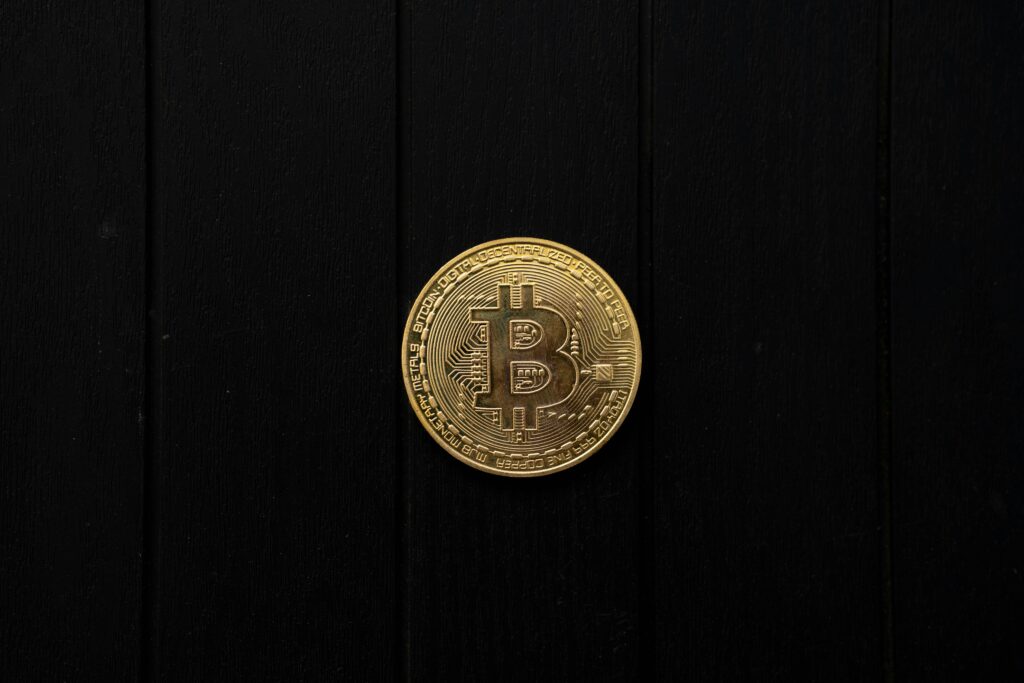
Bitcoin is a decentralized digital currency, often referred to as a cryptocurrency. Unlike traditional money issued by governments, Bitcoin operates on a peer-to-peer network. This means users can send and receive Bitcoin directly, without intermediaries such as banks. Bitcoin exists only in digital form and is secured through cryptography. Transactions are recorded on a public ledger known as the blockchain, which ensures transparency and trust among users. Bitcoin is a decentralized digital currency that allows people to send and receive money directly over the internet without intermediaries. It operates on a peer-to-peer network and uses cryptography for security. Bitcoin transactions are recorded on a public blockchain, ensuring transparency, trust, and resistance to manipulation.

The Technology Behind Bitcoin
Blockchain as the Backbone
Bitcoin is built on blockchain technology. A blockchain is a distributed ledger that records all Bitcoin transactions in chronological order. Each transaction is verified by network participants and then added to a block, which is permanently linked to previous blocks. This system makes Bitcoin highly secure and resistant to tampering, as altering one transaction would require changing the entire network. Blockchain serves as the foundational technology behind Bitcoin, recording every transaction in a secure and transparent digital ledger. Transactions are grouped into blocks and linked cryptographically, forming an unchangeable chain. This decentralized system removes the need for central control, enhances security, and ensures trust among users worldwide.


How Bitcoin Works ??
When a user sends Bitcoin, the transaction is broadcast to the network. It is then verified by miners, who confirm that the sender has sufficient balance and that the transaction follows network rules.Once verified, the transaction is added to a block and becomes part of the blockchain. This process ensures accuracy and prevents double spending. Bitcoin works through a decentralized peer-to-peer network where users send and receive digital value directly. When a transaction is initiated, it is broadcast to the network and verified by miners using cryptographic rules. Verified transactions are grouped into blocks and added to the blockchain. This process ensures transparency, prevents double spending, and secures the network without relying on a central authority.

Bitcoin Mining
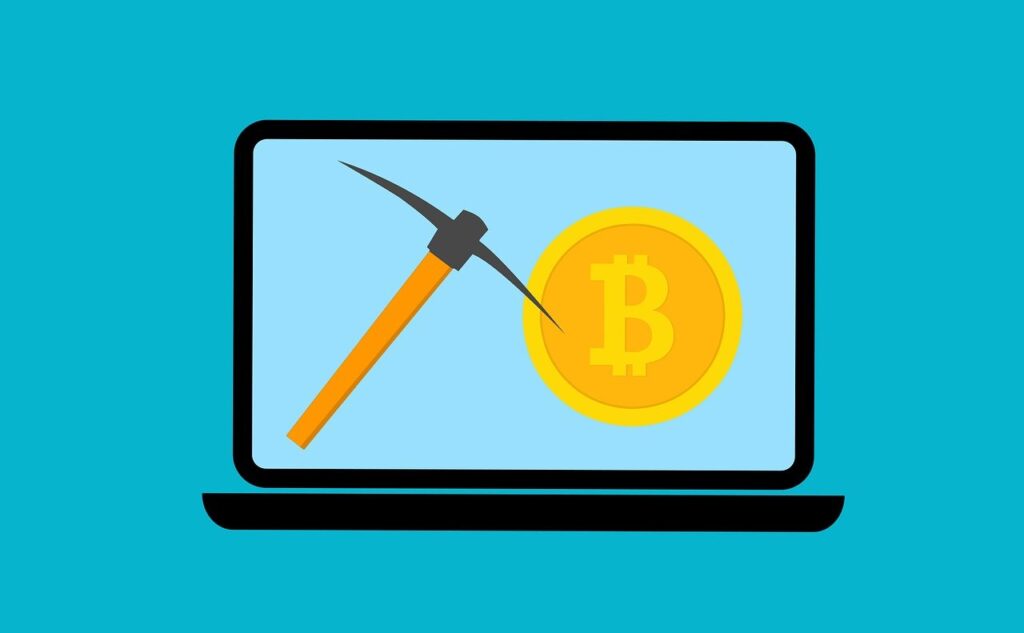
Mining is the process through which new Bitcoins are created and transactions are validated. Miners use powerful computers to solve complex mathematical problems. In return, they are rewarded with newly created Bitcoins. Mining plays a crucial role in maintaining the security and integrity of the Bitcoin network. Bitcoin mining is the process of validating transactions and adding them to the blockchain while creating new Bitcoins. Miners use powerful computers to solve complex mathematical problems, known as proof-of-work, which ensures network security and transaction accuracy. Successfully solving these problems allows miners to add a new block to the blockchain and earn a reward in Bitcoin. Mining maintains the decentralized structure of the network, prevents fraud, and confirms every transaction. Over time, mining difficulty increases, requiring more computational power, which helps control the creation rate of new Bitcoins and secures the network against attacks.
Advantages of Bitcoin
- Eliminates the need for intermediaries
- Enables global transactions
- Offers transparency and security
- Protects against inflation through limited supply
The Future of Bitcoin
Bitcoin continues to gain attention from individuals, institutions, and governments. Improvements in technology, regulation, and awareness are shaping its future. While challenges remain, Bitcoin is likely to remain a major part of discussions around digital finance and decentralized systems. The future of Bitcoin is promising yet complex, as it continues to gain attention from individuals, institutions, and governments worldwide. Technological advancements, such as the Lightning Network, aim to make transactions faster and more scalable. Increasing regulatory clarity in several countries is fostering trust and wider adoption. Bitcoin’s role as “digital gold” may strengthen, serving as a hedge against inflation and a store of value. Innovations in blockchain technology and growing awareness about decentralized finance (DeFi) are likely to expand Bitcoin’s use cases. While challenges like volatility and energy consumption remain, Bitcoin is positioned to play a central role in the evolution of global digital finance.
Conclusion
Bitcoin represents a revolutionary shift in how value can be stored and transferred digitally. By combining decentralization, security, and transparency, it challenges traditional financial systems and opens new possibilities for global transactions. Whether viewed as a technology, a currency, or a store of value, Bitcoin has undeniably changed the financial landscape and will continue to influence the future of digital finance. Bitcoin has revolutionized the concept of money by combining decentralization, transparency, and security. It challenges traditional financial systems, offering a new way to transfer and store value globally. Beyond being a digital currency, Bitcoin represents a technological innovation that inspires new financial solutions, promotes financial inclusion, and encourages the development of decentralized systems. While challenges like volatility and regulatory uncertainty exist, Bitcoin’s influence on the future of digital finance is undeniable, making it a pivotal force in shaping a more accessible, secure, and innovative global economy.